Sauter au contenu principal
electrocd

Blogue

101 résultats
  • 1
  • 2
  • 3
  • 4
  • 5
  • 6
  • 7
  • 8
  • 9
  • Figures dans Skug

    «Kritik», Tim Tetzner, Skug, no 40, 1 décembre 1999
    mercredi 1 décembre 1999 Presse

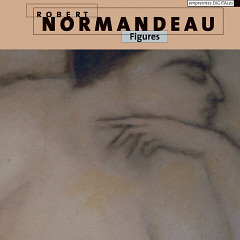
    Debutant Dan Lander, lange Zeit ebenso Schüler von Francis Dhomont wie Robert Normandeau, zerlegt auf Habitation seine unmittelbare Umwelt (belustigtes Gartenfest, frenetisches Küchengeklapper, Geschnarche), wie die medial vermittelte (Nachrichtensprecher) in ein augenzwinkernd-hyperreales Environmental in dem die Straße einfach dem gehört, der am lautesten hupen kann, bzw. dessen Verständnis von MusiqueConcrete richt durch effekthaschende PreJingleÄsthetik getrübt. Ähnlich bewegt sich Robert Normandeau auf Figures durch einen ebenso privaten BezugsRahmen, widmet sich seiner ersten StereoPlatte der Ventures, dem kleinen Prinzen und seinen Sprechern (Le renard et la rose), oder nähert sich Jacques Drouins PianoSuite in den Pariser GRMStudios mit den Möglichkeiten der TapeManipulation, um es zu transformieren, es von seiner Bestimmung zu befreien, und um im Finale doch die Frage offen zu lassen, wieso Quebec eigentlich eine (qualitativ wie quantitativ) so hohe Dichte an Acousmatikern aufweisen kann…

    Figures dans Skug

    «Kritik», Heinrich Deisl, Skug, no 40, 1 décembre 1999
    mercredi 1 décembre 1999 Presse

    Robert Normandeau ist eines der Gründungsmitglieder der Canadian Electroacoustic Community (CEC) und betreibt seit 1991 das Media-Arts Festival „Réseaux˝. Für seine Arbeiten wurde er mehrmals international ausgezeichnet (Prix Ars Electronica 1993 und 1996). Momentan beschäftig er sich hauptsächlich mit Theaterproduktionen und Akusmatik. Auf Figures, seiner dritten Veröffentlichung für empreintes, kommt Normandeau gleich von Anfang an zur Sache. Die Grundidee war es, sowohl des Körper als auch das menschliche Gesicht („figures˝) in Töne zu fassen. Die Figures de Rhétoriqueweisen auf die Relation zwischen Tape und Piano hin, die sich ständig, einem Dialog änhlich, ent- und widerprechen. Ellipse ist eine „figures of speed˝, die für Arturo Parra geschrieben Austausch für die eine Stimme, Normandeaus präparierte Solo-Tapes für die andere. Figures ist eine heftiges Werk, das nus selten Platz zum Abschweifen läßt.

    Le voyage d’hiver dans Skug

    «Kritik», Heinrich Deisl, Skug, no 40, 1 décembre 1999
    mercredi 1 décembre 1999 Presse

    empreintes DIGITALes ist ein aus Montréal stammendes Label, das sich seit neun Jahren auf elektroakustische Musik spezialisiert hat und mit bischer rund vierzig Veröffentlichungen aufwarten kann. Die Bandbreite reicht von Akusmatik (Michel Chion) über „Cinema For Ears” (Francis Dhomont) bis zu Soundscape-Kompositionen und Live-Electronics. Es werden hauptsächlich frakophone Kompositionen gefeatured. Ähnlichkeiten mit dem französischen Label Métamkine sin nicht von der Hand zu weisen. Die luxuriös gearbeiteten DC-Covers sind mit Begleittexten ausgestattet. Zur Zeit sind um die dreißig Titel auf der aufwendig gestalteten Homepage zu bestelle, sämtliche verfügen über Real Audio.

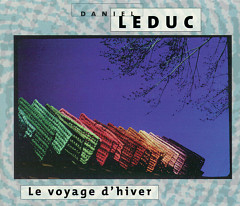
    Leducs Le voyage d’hiver stellt die musikalische Umsetzung der „Winterreise” des Romantikers Wilhelm Müller dar. Telweise pathetisch, aber nie überzogen von Erwin Potitt dargebracht, bilden sie die Grundlage für Stimmenverfremdungen, imitiertes Schreiten und allerlei kurz gehaltene Feedback-Drones. Bei den vier Stücken von Troposphère (ebenfalls 1997 entstanden) bekommt Leduc Unterstüzung von der Sopran-Sängerin Chantal Fournier und der Klangskulpturen-Künstlerin Carole Simard-Laflamme. Im Gegensatz zu „Le voyage” geht es hier wesentlich brachialer zu. Die experimentellen Nummern verfügen über einen ausgeprägt visualirenden Impact. Die zwei Stücke von 1994 ergehen sich in langanhaltenden. mehr oder minder statischen Drones, die von konkreten Samples unterbrochen und abgelöst werden

    21 situations dans Rubberneck

    «Review», Jim Barker, Rubberneck, no 30, 1 décembre 1999
    mercredi 1 décembre 1999 Presse

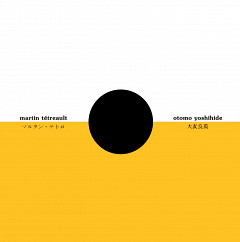
    21 situations finds Yoshihide on more familiar territory, alongside French-Canadian turntable abuser Tétreault, banging out 21 short, radiofriendly slabs of surface noise, technical detritus and musical dementia. All tracks are under four minutes, and the approach is as varied as the subject matter (e. g. cartoon, machine, tension, science fiction). And it’s not just scratching; those drum sounds you hear from time to time are not samples but the players drumming on the turntables. Familiarity with technology has bred contempt, which has in turn bred imaginahon and adventure. This is gamelan for the 21st Century A fine example of revolutionary improv.

    A fine example of revolutionary improv.

    Claire-voie dans Splendid E-Zine

    «At a Glance Reviews», Deirdre Devers, Splendid E-Zine, 22 novembre 1999
    lundi 22 novembre 1999 Presse

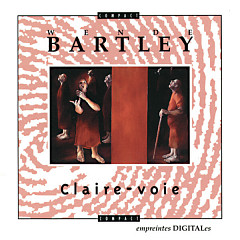
    You have never heard anything like this. I mean that. On first listen, Ellipsis and Rising Tides of Generations Lost may remind one of the emotionally unsettling Diamanda Galas recordings of the late eighties. Imagine being left in the basement of the Amityville house with a box of wet matches and you have an approximation of Claire-voie’s atmosphere of unease. There is a bleak austerity to these pieces, composed of a foreboding soprano accompanied by stray sounds, rustling percussion and ghostly synthesizers. Wende Bartley’s Claire-voie is a siren song not meant for the faint hearted.

    You have never heard anything like this. I mean that.

    Lieux inouïs dans Splendid E-Zine

    «Review», Irving Bellemead, Splendid E-Zine, 8 novembre 1999
    lundi 8 novembre 1999 Presse

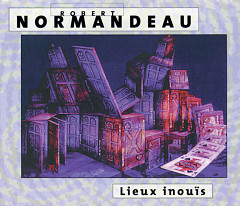
    Last week George Zahora reviewed a CD of Normandeau’s recent compositions. This week we take a peek into his past with Lieux inouïs (Unheard-of places), a CD of five electronic works from the mid-to-late 1980s. Much of Normandeau’s music falls into the “acousmatic” genre. Roughly, acousmatic music is electronic music that seperates sounds from their sources, and often exploits sounds for their inherently interesting qualities rather than any symbolic or narrative meaning they might have. In Normandeau’s sound-world this means that we’re treated to a wide range of sounds, from processed choirs to chugging trains to bleep-bloop electronics to slamming doors and bouncing balls.

    Rumeurs (Place de Ransbeck) (Rumors) is a light, fluid piece that plays with organic sounds that are just on the edge of recognizability. Matrechka is full of darker and more electronic sounds, which are constantly evolving. Mémoires vives takes existing requiems (from Ockeghem, Gilles, Berlioz, Mozart, etc.) as its starting point, and subtly weaves them into an ethereal, mysterious new requiem. Jeu (game or play) explores some of the many uses of the French word Jeu. It’s similar to Rumeurs (Place de Ransbeck) in that it’s a mix of many recorded sounds presented in such a way that you’re never quite sure what you’re listening to. The final piece, Le cap de la tourmente is again darkly electronic — I imagine it as the sound of someone pounding slowly on a huge electronic metal barrel. Normandeau has a very good ear for finding interesting sounds and then figuring out how to combine them effectively, and the compositions on this CD never get bogged down in the electro-murkiness or loooooooooooooooooong time scales that sometimes turn people off to this sort of electronic music. It’s a fine disc “pour le novice ou l’expert.”

    Normandeau has a very good ear for finding interesting sounds and […] how to combine them effectively…
  • 1
  • 2
  • 3
  • 4
  • 5
  • 6
  • 7
  • 8
  • 9