Sauter au contenu principal
electrocd

Blogue

2899 résultats
  • 206
  • 207
  • 208
  • 209
  • 210
  • 211
  • 212
  • 213
  • 214
  • Puzzles dans The WholeNote

    «Review», Tom Sekowski, The WholeNote, no 11:5, 1 février 2006
    mercredi 1 février 2006 Presse

    empreintes DIGITALes here presents the DVD-Audio format debut of two Canadian composers whose electroacoustic works have won awards the world over. Always looking forward, their music is as challenging as it is rewarding.

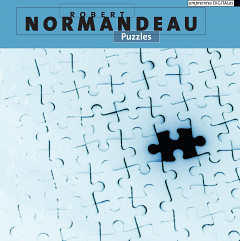
    Robert Normandeau has a much denser overall approach to his own work. His pieces seem to be bathed in a thick soup which is as tasty as it is sometimes difficult to digest. Puzzles begins with the title composition, which is made up of various audio elements that fit together like pieces of a puzzle. Do they really fit though? Over the course of about 6 minutes, we’re confronted with various vocal samples, creaking doors, hammer blows. All of these pieces are entrenched with a drilling, mechanical beat.

    Perfectly suited to the composer’s acousmatic diffusion techniques, the 5.1 Audio Surround mix makes all the difference. Sound percolates from every corner of the room, making your head spin at break-neck speeds. Starting off Eden is a lovely, serene Vietnamese vocal, which then is replaced by loops of music, stretching into eternity. While an angry voice repeats demands on Hamlet-Machine with Actors, the piece is further coloured by drill presses, screams of agony and bubbling, gurgled noise formations. Momentous and densely populated with new, brave ideas, Puzzles is a journey that should be reserved for only the truly adventurous explorers of new sound worlds.

    Trilogie d’ondes dans The WholeNote

    «Review», Tom Sekowski, The WholeNote, no 11:5, 1 février 2006
    mercredi 1 février 2006 Presse

    empreintes DIGITALes here presents the DVD-Audio format debut of two Canadian composers whose electroacoustic works have won awards the world over. Always looking forward, their music is as challenging as it is rewarding.

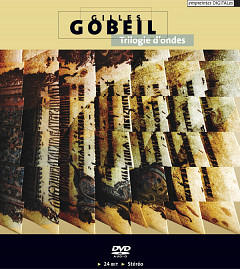
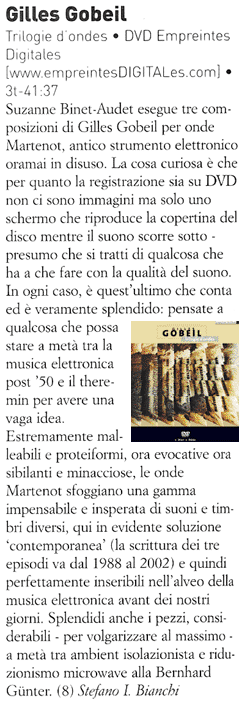
    Gilles Gobeil hits the mark with his Trilogie d’ondes. The trilogy is made up of three distinct works featuring the ondes Martenot, played by Suzanne Binet-Audet. Voix blanche [White voice] deals with an excruciating slow build-up to a crescendo that really never occurs. This is a piece where the ondes reigns supreme. Its rich timbral qualities, its unmistakable glitchy, percolating sound and its fantastic ability to blend in with the tape are riveting. With its unnerving climax that comes and goes over and over again, this is without a doubt the most unsettling piece in the trilogy. By the time we get to Là où vont les nuages… [Where the Clouds Go…] the mood that is fashioned leaves much guesswork at the forefront of the listener’s mind. Climaxes come in series of bursts and we are left wondering what will Gobeil do next? In the final movement, the longest piece in the trilogy, La perle et l’oubli [Pearl and Oblivion] the ondes is disguised as the soul in a journey on its way to incarnation and when the shimmering sampling of scream-like voices breaks through, you know the composer has hit a nerve. With perfect precision and undying sense of drama, Trilogie d’ondes is a major work in Gobeil’s catalogue of masterpieces.

    With perfect precision and undying sense of drama, Trilogie d’ondes is a major work in Gobeil’s catalogue of masterpieces.

    Trilogie d’ondes dans Music Scan

    «Kritik», Matthias, Music Scan, 13 janvier 2006
    vendredi 13 janvier 2006 Presse

    Wie oft hat man schon über Aufnahmen gelesen, die das Liveerlebnis praktisch 1:1 transportieren sollen und sowohl akustisch als auch rezeptionsästhetisch mit einem Liveerlebnis vergleichbar seien. Meist steckt dahinter nicht viel mehr als eine billige Marketingschreibe, die mediokre Aufnahme mit Authentizität und akustischer Fülle anreichern möchte. Gilles Gobeil, einer der führenden kanadischen Komponisten im Kontext der elektro-akustischen Musik, hat diesen wahrhaftigen Livesound mit seiner neuen DVD-Audio mit einer 24-bit Auflösung tatsächlich umsetzen können. Nicht nur werden räumliche Klangdimensionen geschaffen, die mit den meisten CD Aufnahmen nicht annährend erreicht werden, sondern auch die klangliche Präsenz und die gespiegelte Brillanz der kleinen Details und Nuance, die auch diese Kompositionen von Gobeil spannender und interessanter gestalten als eine Vielzahl von Werken ähnlich gesinnter Kollegen. Die Trilogie d’ondes schließt drei Kompositionen ein (wer hätte es gedacht), die eigens für die ondes Martenot Spielerin Suzanne Binet-Audet geschrieben wurden. Allen drei Stücken ist eine gewisse Dramatik und auch Theatralik gemein, die sich durch das Zusammenspiel aus maschinellen Elementen und scheinbar zufälligen Klangmustern ergeben. Stets wird stark mit Dynamikschwankungen gespielt, die diese Platte stets interessant und entdeckungsreich gestalten und den geneigten Hörer niemals zur Ruhe kommen lassen. Vielmehr wird man von plötzlichen Klangeruptionen überrascht, die in ihrer Intensität die gesamte musikalische Bandbreite abdecken. Freunde elektro-akustischer Musik werden Gobeil schon kennen und schätzen, aber auch außerhalb dieses kleinen und bisweilen etwas inzestuös anmutenden Kreises sollten die Werke des Kanadiers für Aufsehen beziehungsweise Aufhören sorgen. 8.5/10

    Stets wird stark mit Dynamikschwankungen gespielt, die diese Platte stets interessant und entdeckungsreich gestalten und den geneigten Hörer niemals zur Ruhe kommen lassen.
  • 206
  • 207
  • 208
  • 209
  • 210
  • 211
  • 212
  • 213
  • 214