electrocd

Blog

2899 results
  • 264
  • 265
  • 266
  • 267
  • 268
  • 269
  • 270
  • 271
  • 272
  • Yves Daoust in Le Nouvelliste

    Alice a encore su capter l’attention des petits”, François Houde, Le Nouvelliste, October 28, 2003
    Tuesday, October 28, 2003 Press

    L’Orchestre Symphonique de Trois-Rivières (OSTR) présentait hier comme elle le fera aujourd’hui, ses matinées symphoniques, événement annuel au cours duquel l’orchestre se met au diapason des jeunes pour les initier à la musique symphonique. Aujourd’hui, l’événement est d’autant plus intéressant qu’on arrive au terme d’une boucle puisqu’on fait cet exercice depuis une vingtaine d’années et qu’on récolte sans doute au niveau des abonnements aujourd’hui quelques fruits dont les graines ont été mises en terre lors des débuts de cette initiative. Pour amadouer les jeunes cette année on leur raconte Alice au pays des merveilles en musique et en multimédia. Le spectacle, intitulé simplement Alice fait appel aux différentes techniques de multimédia avec des projections sur un rideau à l’avant-scène pendant le spectacle en plus de la présence d’Alice elle-même et des instrumentistes. À ceux de l’OSTR se joignent deux musiciens en électroacoustique qui assurent une bonne partie de l’atmosphère de ce conte surréaliste. Avec leurs instruments étranges comme le muffinophone (une plaque de cuisson pour les muffins) et autres patentes musicales, ils accrochent l’imagination des jeunes tout en créant des sons parfaitement appropriés à donner de l’allant au spectacle. La réalisation visuelle est cependant encore plus spectaculaire et ingénieuse puisqu’elle est faite de telle sorte que les images illustrant le conte sont projetées sur une membrane semi-transparente à travers laquelle on voit constamment les musiciens de l’orchestre derrière. Il faut d’ailleurs souligner l’exceptionnelle qualité technique visuelle. La représentation d’après-midi hier s’est faite sans anicroche ce qui est un très beau succès en soi compte tenu de la complexité du tout. Or, sans la technique, il aurait sans doute été très difficile de capter le jeune auditoire de 10 ans à l’énergie débordante et modelé façon jeux vidéos, vidéoclips et autres bombardements de stimuli sonores et visuels. Raconter à cette marmaille une histoire écrite au milieu du XIXe siècle supportée par un orchestre symphonique et trouver ainsi la façon de le captiver est un exploit en soi.

    L’Arsenal à musique, l’organisme responsable de la conception du spectacle est reconnu depuis plus de 20 ans. Il a été récompensé pour la qualité de ses œuvres antérieures. Il a d’ailleurs été le premier organisme canadien à créer une œuvre électroacoustique multimédia. Sa maîtrise du médium est manifeste. Au niveau musical, l’œuvre a été composée par deux compositeurs québécois, Yves Daoust et Denis Gougeon, le premier étant davantage responsable du volet électroacoustique. Deux représentations ont été offertes hier à environ des groupes d’environ 800 jeunes. Un tout petit sondage maison nous révèle que les jeunes ont apprécié l’expérience. Le meilleur barème à ce titre est peut-être le comportement des petits qui se sont montrés attentifs pendant toute l’heure du spectacle ce qui est déjà beaucoup. Juge plus objective, l’enseignante Stéphanie Collin, de l’école Sacré-Cœur de Cap-de-la-Madeleine a trouvé le spectacle de qualité. «Le travail visuel était très impressionnant. Je ne sais pas si le conte d’Alice au pays des merveilles a captivé les enfants mais je peux dire qu’ils ont bien écouté ce qui est déjà très bon signe. Il n’y a aucun doute que ça a sollicité leur imagination et je pense que c’est une bonne initiative pour des jeunes de cet âge-là. Est-ce que ça les a touchés et est-ce qu’ils ont réalisé le rôle de l’orchestre dans tout ça, je ne le sais pas. Mais c’était un beau spectacle.» Même son de cloche de Samantha Lupien, de Mathias Deschesnes ou de Dominic Jutras au nombre des écoliers. Ils ont aimé. À savoir s’ils deviendront des habitués de l’OSTR dans une quinzaine d’années, l’histoire ne le dit pas. On vous en reparle dans 15 ans.

    Yves Daoust… responsable du volet électroacoustique.

    Bleak 1999 in Splendid E-Zine

    “Review”, Walt Miller, Splendid E-Zine, October 24, 2003
    Friday, October 24, 2003 Press

    No newbie to the music scene, Czech artist Tomas Jirku has released tons of music on labels like Force Inc, Alien8 and Klang Elektronik, but his beginnings are rooted in mp3 labels like No Type. Bleak 1999 represents Jirku’s return to his origins, in which he brings moody structure back to the esteemed No Type roster.

    If you know Jirku’s work, you’ll immediately be struck by the differences between this album and, say, his contribution to Clicks & Cuts 2. Still frolicking within the mechanical depths of techno austerity, Jirku has moved on from the Vladislav Delayesque glitch-techno of releases like Immaterial. For one thing, Bleak 1999 eschews much of the traditional overt processing, favoring a more unaffected strain of murky melody and plodding, switch-hitting rhythms that are sped down from what’s known on the dancefloor. Tracks such as Psychosis and Input fluid push a sober, cinemascopic agenda, reinforcing the album’s general overcast quality with dark strings and an intermittent thump of boom-bip kick drums and sci-fi synthesis. Cefuroxime, one of the album’s strongest cuts, injects ear-pleasing pin-prick percussion while adding a complementary nuanced shuffle. On 04.1.93, Jirku switches to more pronounced beat work and energetic melody that recalls Mike Paradinas via Berlin; Tranylcypromine finds itself in the realms of Amber-era Autechre, subtle percussion and sumptuous tonality moving fluidly over electro underpinnings.

    As an album, Bleak 1999 is cut together like a performance: all the tracks run together, with occasional breaks for radio frequency ambience. Strong themes emerge, and it’s interesting to hear their development in such a repetitious environment. Whereas in minimal techno you notice subtle changes of syncopated clicks and sputter, Bleak 1999’s synths fill in the gaps and soften the edge with slow, dramatic strokes. Whether you like Bleak 1999 or not is a matter of taste; it’s a curious noise that falls somewhere between the realms early Warp, Industrial Strength artists like Disintegrator and the isolationist end of industrial music. It’s bold, groundbreaking stuff. Lull fans searching for a groove would be wise to try some.

    It’s bold, groundbreaking stuff.

    We Remain Faded in Skug

    “Kritik”, Harald Wiltsche, Skug, no. 56, October 24, 2003
    Friday, October 24, 2003 Press

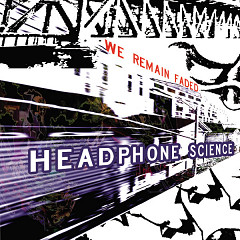
    Es ist mittlerweile kein Geheimnis mehr, dass auf Net-Only-Labels hervorragende Musik veröffentlicht wird, wie auch hier im Fall von Headphone Science. Gleich vorweg: es handelt sich um keinen Web-Release, die vorliegende Veröffentlichung erscheint als CD und wie der Pressemitteilung zu entnehmen ist, ist ein weiterer Release auf dem Wiener Skylab-Label geplant. Und das ist auch gut so, denn Headphone Science ist eine absolute Bereicherung für alle Addicts von Hip Hop-orientiertem IDM. Tighte Grooves, teilweise an Boards of Canada erinnernde Vocal-Schnipsel und sphärische Soundbackings, das sind die Hauptzutaten einer EP, die direkt und ohne Umweg den Kopfnicker-Button anspricht. Word.

    Sings the Blues in Ampersand Etcetera

    “Review”, Jeremy Keens, Ampersand Etcetera, no. 2003_m, October 23, 2003
    Thursday, October 23, 2003 Press

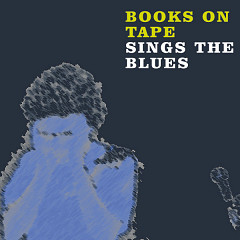
    Todd Drootin creates/constructs material from loops, whether sampled or self-created, into a dancing dramatic techno. The first time I listened, a bit fragmented, it seemed somewhat monochrome, but subsequent excursions have shown it to be a fun filled time.

    Laptop Blues opens with a short guitar strum loop that wobbles from ear to ear and then varispeeds away. We get really going with Republic Of setting the tone and structure — varied loops, percussive and melodic (including guitar), layered onto each other crackles and changes, slowing and returning and slowing right back. This has a jolly rhythms that reminded me of the Clash in its dubby sections. They returned later on Girls Up Front where the fast samples drums and loops with a strong bass, recalled Armageddon time. With See You In Tokyo there is a building percussion from simple tap, plus cymbal, bass, snare and organ to a fast beachy sound that is part B-52’s rest sci-fi weirdness, emphasised through some changes.

    The album then goes through all sorts of moods with these tracks — She’s Dead To Me is fast and furious (a few are) gunge with strong drums; Pointe du pied has a popcorn feel but slower, simple synth melodies, finally a bit dubby; white noise pulses, organs and synth sound Russian in Death In the Sex Shop and there is a continuing Cossack feel with Siberian Soundsystem that also includes some wailing voices amongst the layers; jangly samples, voice loops rubbery and stomping Circus Animal Battle Rap (instrumental). The mood changes with Frisson a slower backward toney more ambient track that has some distorted and spooky elements to it, followed by a more dirty and rocking Bicycle Beat, pulsing and crackling after which Shake That is somehow more “studied”, slower with voice loops and slowing tones, trumpet and drum. The pace rebuilds for the clarinet-drenched The Crucial a long and involved piece moving through a few states and chopping in organ and piano. Unlucky Bounce is solid with some dirty guitar and a piano melody over computer bootling. Choppy and slippery Sidekick is followed by the buzzing and sinuous Church Bus whose heavy rhythms close the album.

    A fun excursion, worth reading.

    … a dancing dramatic techno… a fun filled time.

    We Remain Faded in Medienturm

    “Kritik”, HAW, Medienturm, October 23, 2003
    Thursday, October 23, 2003 Press

    Es ist mittlerweile kein Geheimnis mehr, dass auf Net-Only-Labels hervorragende Musik veröffentlicht wird, wie auch hier im Fall von Headphone Science. Gleich vorweg: es handelt sich um keinen Web-Release, die vorliegende Veröffentlichung erscheint als CD und wie der Pressemitteilung zu entnehmen ist, ist ein weiterer Release auf dem Wiener Skylab-Label geplant. Und das ist auch gut so, denn Headphone Science ist eine absolute Bereicherung für alle Addicts von Hip Hop-orientiertem IDM. Tighte Grooves, teilweise an Boards of Canada erinnernde Vocal-Schnipsel und sphärische Soundbackings, das sind die Hauptzutaten einer EP, die direkt und ohne Umweg den Kopfnicker-Button anspricht. Word.

    L’adieu au s.o.s. in Medienturm

    “Kritik”, HAW, Medienturm, October 23, 2003
    Thursday, October 23, 2003 Press

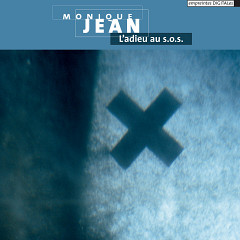
    Man liest das Booklet der vorliegenden CD und ist entsetzt. Da ist doch wirklich die Rede davon, dass das in vier Akte geteilte Stück „mit offenen Augen komponiert wurde”, dass „Musik der Ausdruck der in der Realität verankerten Sensibilität wäre” und dass es um Hilflosigkeit, Verunsicherung und andere Existenzialien geht. Wer bitteschön getraut sich heute noch an solche Themen — wohlgemerkt in der betont gefühlslosen Welt der Elektronika? Monique Jean zum Beispiel und wer glaubt, dass man es dann mit mollastigen Ambientorgien a la spätem Klaus Schulze zu tun bekommt, irrt gewaltig. Die Soundscapes, die hier gezeichnet werden, sind atemberaubend, keineswegs emotional-naiv, sie sind zumeist von einer digitalen Kühle getragen, deren fragile Textur durch Rauschkaskaden und wirre Sprachfetzen durchbrochen wird. Die Lektüre der CD ist sicherlich nicht leicht, aber man wird durch die vielschichtige Tiefe der Komposition und eine fesselnde Klangsprache mehr als belohnt.

    Die Soundscapes, die hier gezeichnet werden, sind atemberaubend…
  • 264
  • 265
  • 266
  • 267
  • 268
  • 269
  • 270
  • 271
  • 272