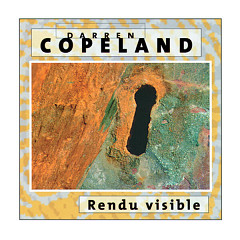
Rendu visible is Darren Copeland’s first solo CD as a composer. It comprises three works created between 1993 and 1996. The main piece is the three-part Night Camera. The composer describes it as a “quest for worlds existing within the territory of the ordinary.” And that is exactly what these three 8-minute Polaroids are. Each movement has been developed using a basic recording from the World Soundscape Collection of the Simon Fraser University (Hildegard Westerkamp has been known to use the same source). An environmental recording of a particular landscape was delicately modified, with added sounds and textures. The result is well-tailored, the composer’s work seamless… and the piece as uneventful as a deserted peak at 2 a.m. The listener is invited to dream up the scene; that leaves him a lot of work. Rendered visible is more satisfactory: these environmental recordings, blending a sea shore and probably something more exotic, truly come to life. A delicate melody in the low register (like a synthesized bass flute) is heard through the fog — beautiful. The more acousmatic Reaching for Tomorrow provides haunting lugubrious moments. Rendu visible makes a short (40 minutes) and uneven debut. It was released in empreintes DIGITALes’ budget-priced series “Compact-Compact.”