electrocd

Blog

76 results
  • 2
  • 3
  • 4
  • 5
  • 6
  • 7
  • 8
  • 9
  • 10
  • Racines in Groove

    “Kritik”, Frank P Eckert, Groove, June 27, 2019
    Tuesday, July 2, 2019 Press

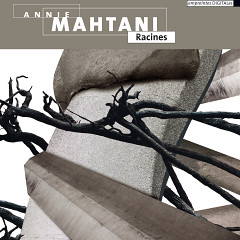
    […] Ähnliches lässt sich aber genauso gut mit einer strengen kompositorisch-konzeptuellen Arbeitsweise erreichen: Die britische Komponistin Annie Mahtani nimmt auf ihrem Debüt Racines (empreintes DIGITALes) das „ernste” Genre der akademisch neutönenden Elektroakustik und übersetzt es in elektronische Klänge, die in ihrer nahbaren Ästhetik mitten im Ambient angekommen sind. Mahtani arbeitet mit Ideen der besonders der Sound Art geläufigen Praxis der Akusmatik, also mit „natürlichen” Klängen, die spezifisch für eine Wiedergabe auf mehrkanaligen Lautsprechersystemen manipuliert werden. Durch die elektrische Verstärkung und digitale Herausarbeitung von Klängen, die in den unbearbeiteten Feldaufnahmen, welche Mahtani als Klangquellen dienen, eventuell gar nicht hörbar wären, werden dokumentarische Aufnahmen zu immersiven Soundscapes, die auch ohne den akusmatischen Kontext perfekt als Ambient funktionieren.

    … documentary recordings become immersive soundscapes that function perfectly as ambiences even without the acousmatic context.

    Micro-lieux in Chain DLK

    “Review”, Stuart Bruce, Chain DLK, June 11, 2019
    Tuesday, June 11, 2019 Press

    There’s a strongly academic approach at work in UK-based Nikos Stavropoulos’ first album (perhaps unsurprisingly for someone with a Doctor title). It’s a compilation of eight works dated between 2003 and 2017, each typically between seven and eleven minutes long and each accompanied by their own independent explanatory paragraph that describes or justifies it with reference first to its title, then by the musical process by which it was reached.

    Despite being a compilation spanning works over more than a decade though, this still holds together with the consistency of an artist album, because of a relatively singular and persistent approach. Predominantly, this is electroacoustic music with quite a bubbly nature, transposing biological data and rapid but arhythmic organic noises into fragile-sounding synthetic tones. It’s frequently scratchy, but interspersed with occasional thicker and wetter bass noises and rumbling percussive grumbles that add an unpredictable drama. The result is both atmospheric and alien, with a generally intimate, sometimes almost claustrophobic tone.

    Pieces like Ballistichory, despite being inspired by seed dispersal, sound organically alive in a way that is unlikely to appeal to anyone with phobias of crawling insects, sounding as it does like angry ant colonies microphoned up while they strategise and attack. Other works like Nyctinasty and Granatum are drawn from very similar source remedies but are a little mellower, despite still being rapid — like a sonic interpretation of what vegetables would sound like if they could tweet like songbirds.

    Granicus stands out as an exception, by drawing from ancient-sounding Eastern European and Asian dance rhythms that are contrasted and contradicted against themselves to some degree, but which for the most part hang together as a dramatic piece worthy of a dusty, desert-based, before-the-battle-tension scene for a non-existent movie.

    There’s something a little over-familiar about the release as a whole — the combination of wet and bubbly organic grain noises feel a little like an electroacoustic staple and it doesn’t feel like any new ground has been identified with it here. To its credit though it is a polished and accessible example of it, with accompanying texts that serve well as an introductory process for new or sceptical listeners.

    Predominantly, this is electroacoustic music with quite a bubbly nature, transposing biological data and rapid but arhythmic organic noises into fragile-sounding synthetic tones.

    Cycle nautique in The Sound Projector

    “Review”, Ed Pinsent, The Sound Projector, June 9, 2019
    Monday, June 10, 2019 Press

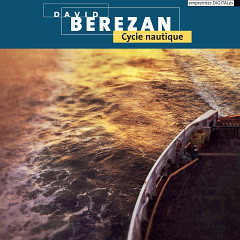
    David Berezan was last heard by us with his 2013 collection Allusions Sonores, but he’s here today with Cycle nautique (IMED 18154). Unlike our two English composers above, this award-winning fellow is strictly Canadian and has held residencies in Calgary and Montréal. The entire set here has a maritime theme, with titles such as Lightvessels, Moorings and Offshore, and creates impressionistic sketches of the life on the ocean wave. However, not content with the usual viewpoint behind the wheel, Berezan also explores imaginatively what it might be like among the submerged hulls bumping about when they’re tethered along the waterfront, and tries at all times to confuse our sense of “place” by treating the ship’s exteriors like interiors, and vice versa. I’m all for letting the seawater flood inside the vessel whenever possible. One interesting experiment has been to use the clarinet improvisations of Marij von Gorkom in service of his grand plan; given the nature of the genre, her sounds are completely transformed by Berezan’s intensive digital processing, but it’s the unique action of her mouthpiece that lends Offshore its distinctive character. I’m also taken with Buoy, which speculates about the nature of the signals (bells, whistles) used by buoys to aid navigation, producing information which can also help with scientific research to do with the tides and the weather. Field recordings of wind and oceans are thus mingled with bell sounds and impressions of data-streams whizzing through the atmosphere. I like the imaginative nature of this set.

    I like the imaginative nature of this set.

    Ténébrisme in The Sound Projector

    “Review”, Ed Pinsent, The Sound Projector, June 9, 2019
    Monday, June 10, 2019 Press

    Adam Stanović was born in Leeds, now has residency at Sheffield. Here he is with Ténébrisme (IMED 18153) 1 showcasing very recent compositions 2015-17. He exhibits the now-commonplace concerns with transforming musical instruments, pieces of metal, audio travelogues and such like, but his feisty essays indicate he is trying to challenge the received wisdom of contemporary electroacoustic music, expressing a certain frustration with over-used tropes in the genre. A dull-witted noise-lover like me can certainly dig his roary pieces, which have a lot more fire and chaos than we’re used to in the field; plenty of tidal waves of digital information surging and rebounding around imaginary spaces like titanic forces, sometimes with quite shocking dynamics, cut-offs, and wild timbral shifts. Ctrl C, Metallurgic and Inam all have this rather threatening density to them, and Foundry Flux is as alarming a portrait of Sheffield’s industrial past as you’re ever likely to hear. Bonus points too for composing a homage piece to Beatriz Ferreyra, the Argentinian wild lady of electroacoustic music.

    A dull-witted noise-lover like me can certainly dig his roary pieces, which have a lot more fire and chaos than we’re used to in the field

    Ténébrisme in Nieuwe Noten

    “Kritiek”, Ben Taffijn, Nieuwe Noten, June 6, 2019
    Monday, June 10, 2019 Press

    Na albums van David Berezan en Alistair MacDonald, is nu Ténébrisme van Adam Stanović aan de beurt, dat eveneens verscheen bij empreintes DIGITALes. Stanović is altijd gefascineerd geweest door elektronische muziek. Zijn carrière begon dan ook met het experimenteren met bandrecorders en mini-discs. Een stap die hem uiteindelijk bracht tot een studie aan het Leeds College of Music en aansluitend aan de University of Leeds. Hij deed vervolgens zijn PhD in Londen en is tegenwoordig, naast componist, Senior Lecturer aan de University of Sheffield.

    In tegenstelling tot de albums van Berezan en MacDonald, heeft Ténébrisme geen centraal thema dat de stukken bij elkaar houdt. Of het zou de fascinatie moeten zijn voor het proces van componeren, want dat komt in alle zes de stukken, die allen ontstonden in de jaren 2015 tot 2017, wel degelijk aan de orde. Zo kwam Crl c stand door een vraag van mede componist Ben Gaunt, om een re-mix te maken van zijn ‘16th Century Horror’ een stuk voor fluit, hobo en piano. Naar eigen zeggen ging Stanović in eerste instantie zeer bescheiden met dit muzikale materiaal aan de slag, met de intentie dicht bij het origineel te blijven. Dat lukte niet echt en hij besluit zijn verhaal dan ook met de mooie opmerking: “A few brief hints of the instrumental origins lurk throughout, but ultimately there is little that connects Crtl c with Gaunt’s work. As is often the case, things apparently “copied” are all-too-often unique.” Het maakt het stuk niet minder geslaagd — al ken ik het origineel niet — en Stanović weet hier te overtuigen met duistere, dreigende, maar tegelijkertijd ook sfeervolle klanken.

    Ook in Metallurgic houdt Stanović zich nadrukkelijk bezig met het proces van componeren binnen de elektro-akoestische muziek, of nauwkeuriger geformuleerd: hoe rangschik je de samples op een goede manier tot een muziekstuk, zonder daarbij in clichés te vervallen? De oplossing die hij koos is bijzonder: het geluid opnemen van een grote hoeveelheid metalen objecten, daarmee aan de slag gaan zonder zich te bekommeren om eventuele clichés, maar deze juist te parodiëren. “And I completed the piece having developed a genuine and long-lasting respect for the very trope that I had set out to parody.” En ja, dit klopt helemaal. Dit stuk heeft zeker iets voorspelbaars, maar dat laat onverlet dat de componist ook hier weet te overtuigen. in Inam van een jaar later, neemt Stanović het beginfragment van Mettalurgic, dat wel wat weg heeft van distorsie op een elektrische gitaar, als basis voor een geheel andere compositie. Overigens weet hij ook hier weer te verrassen met een vrij duistere, overrompelende aanpak. De muziek is heftig, disruptief en gaat duidelijk een paar stappen verder dan die in Metallurgic. Het ‘Metal’ uit Metallurgic is hier nooit ver weg.

    Tijdens een residentie in het Centro Mexicano para la Música y las Artes Sonoras (CMMAS) in 2016 verdiepte hij zich in de manieren waarop een melodisch thema, hier gespeeld op een piano, met behulp van elektro-akoestische technieken getransformeerd kan worden. Het leidde tot Inja, dat zo ongeveer het tegenovergestelde is van Inam. Een ambient-achtige sfeer creëert Stanović hier. En dan is er Foundry Flux waarin de componist zich laat inspireren door een oude gieterij in Sheffield die tot 1951 als zodanig in gebruik was en nu is getransformeerd in een artistieke vrijplaats, zoals we dat op veel plekken tegenkomen. Het vloeien van het hete staal nam Stanović als uitgangspunt en trok dat door naar het vloeiende dat ook in verandering zit, bijvoorbeeld die van de stad. Muzikaal koos hij daarom voor het geluid van verkeer, wat hier overigens ook wel wat weg heeft van het geluid van de branding, en de dynamiek die daarbij hoort. Tot slot brengt Stanović, met Would be to seek een hommage aan één van de grondleggers van de elektro-akoestische muziek, Beatriz Ferreyra die in 2017 tachtig werd.

    Stanović manages to convince with dark, threatening, but at the same time atmospheric sounds.
  • 2
  • 3
  • 4
  • 5
  • 6
  • 7
  • 8
  • 9
  • 10