Sauter au contenu principal
electrocd

Blogue

201 résultats
  • 24
  • 25
  • 26
  • 27
  • 28
  • 29
  • 30
  • 31
  • 32
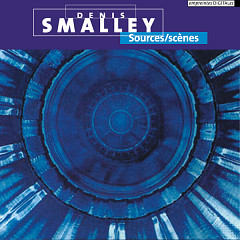
  • Sources / scènes dans Intro

    «Tonträger: Hörtest», Sascha Karminski, Intro, 1 avril 2001
    dimanche 1 avril 2001 Presse

    Smalleys stringente Arbeitsweise läßt ihn aus einer sehr reduzierten Menge an Klangquellen eine größtmögliche Bandbreite an Sounds erschaffen. Die Auswahl erfolgt nach strengen konzeptuellen Richtlinien; so wurden für Base Metals nur Soundskulpturen des Künstlers Derek Shiel verwendet, bei Empty Vessels gar nur Töpfe und eine Olivendose, vermischt allerdings mit den Umgebungssounds (Flugzeuge, Insekten). Tides hingegen arbeitet vornehmlich mit Wasseraufnahmen. Völlig aus dem Rahmen fällt dann aber Pentes, das aber auch schon 1974 entstand und auf elektronischen Manipulationen mit traditionellem Instrumentarium basiert. Bei allen Werken Smalleys fällt neben der Einheit von Konzept und Klang vor allem die Dichte der Klänge auf, die verdeutlicht, dass wir es hier nicht mit einem langweiligen Akademiker zu tun haben, sondern dass das Sounderleben an allererster Stelle steht.

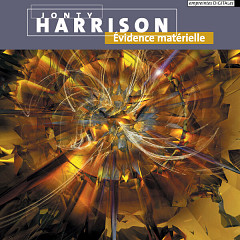
    Évidence matérielle dans Blow Up

    «Altrisuoni in breve», Etero Genio, Blow Up, no 35, 1 avril 2001
    dimanche 1 avril 2001 Presse

    Harrison è un compositore elettroacustico inglese di quasi cinquant’anni dhe ha già al suo attivo numerosi lavori creati su commissione di vari istituti europei di ricerca (soprattutto francesi, ma anche ungheresi e britannici). Il suo approccio al suono è ngoroso e sobno, come si può intuire dall’ascolto dei anque brani indusi in questo CD. Klang (1982) è suonata su due cassenuole di tenracotta e altn oggeti Sorties (1995) e Surface Tension (1996) indagano nspettivamente sui numon prodotti da gente e moton in movimento e sulle tensioni fra superiia di oggetti solidi, Splintering (1997) e Streams si addentrano invece nel mondo dei legni e su quello dell’acqua Harrison, sempre inquietante, nesce ad allontanarsi di diversi passi dalle secche stenli dell’accademia, cosi facendo da vita a uno dei migliori CD prodotti in quell’ambito.

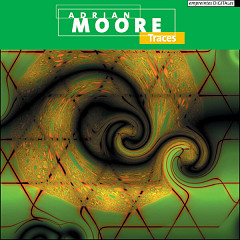
    Traces dans Intro

    «Tonträger: Hörtest», Sascha Karminski, Intro, 1 avril 2001
    dimanche 1 avril 2001 Presse

    Der Maestro höchstpersönlich hat seine Werke in drei Kategorien unterteilt. Die so genannten abstrakten Stücke Junky und Dreamarena sind klassische Elektroakustik mit gepitchten Streichern und ähnlichen Spielereien. Die zwei Tracks der “re-hearing natural sound-objects”-Kategorie beschränken sich dann jeweils auf eine Klangquelle: Study in Ink benutzt einen Textmarker, Foil-Counterfoil eine Folie. Was Moore aus beiden herausholt, ist schierer Wahnsinn, der nur noch vom abschließenden, “radiogenen” Stück Sieve übertroffen wird — einer kakophonen Fülle an abstrakten und konkreten Sounds, aus der der/die ZuhörerIn einzelne heraussieben muss, um überhaupt etwas wahrnehmen zu können und diese Wahrnehmungen zu strukturieren — Alltagshören mit einer Unmenge an Assoziationsmöglichkeiten.

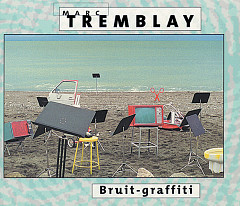
    Bruit-graffiti dans SAN Diffusion

    «Review», Mathew Adkins, SAN Diffusion, 1 avril 2001
    dimanche 1 avril 2001 Presse

    “… are you coming yet… are your nipples erect… ” perhaps not… but your ears are certainly in for an amusing treat. This short passage of telephone sex from «… Ceci est un message enregistré…» is one of many snatches of sonic graffitti that litter the sound world of Marc Tremblay. For Tremblay “Noise is the child of chaos. It confronts us daily and can come to symbolise all that is accidental in life… l Iove to discover the poetry in the noise that surrounds us.”

    All six works on this disk seek to explore the poetic quality of everyday noise in its various guises. On the surface these works appear to be light-hearted, even flippant, imbued with a real sense of ironic amusement. Beneath this surface however, there is a darker side, one which utilises many of the anecdotal materials to provide social comment — Cowboy Fiction (1998) exposes the imperialistic mentality of ‘the White man’, «… Ceci est un message enregistré…» (1994) — the way in which technology, though allowing us to communicate faster and quicker, can actually heighten our sense of physical insularity, and L’argent… toujours l’argent! (1990), our voyeristic love of gameshows that allow contestants get rich quick.

    Vroum which opens the disk is a homage to the automobile replete with samples from The Beatles to Formula One. The piece’s gestural energy is contained in noise based samples derived from various car parts while more pitched elements are derived from car horns. Though this is a substantial piece, at fifteen minutes it seems a little long. This is due in part to the long drawn out central section based predominately on a sequenced car horn could have been shorter to keep up both the spectral and the gestural from the opening. Nevertheless, this opening piece gives you a taste of what is in store for later.

    In contrast to the two extended opening works Vroum and Conte sous la lune — celebrating the naivety of childhood, Résidus (clip dadaïste) (1995) is the shortest piece on the disk and is an ironic evocation of Duchamp’s Fontaine. Résidus (clip dadaïste) must lay claim to be the first electroacoustic work to include a sonic vomit. Tremblay considers this piece “a small variation on the sounds that we hear — but do not really hear — in washrooms.” This is a real cinema for the ears piece which is nothing if not graphic!

    Cowboy Fiction (1998) although in the same amusing cinematic vein of the other pieces is the only one actually acknowledged as being part of a larger multimedia project. It forms the second part of an on-going project entitled Rêve de cowboy. The sonic material for the piece comes from the sound tracks to the French version of Howard HawksEl Dorado, John Ford’s The Searchers, and a version of Hank WilliamsRambling Man with a few locomotives and gun shots thrown in for good measure. For me this is the strongest piece on the disk.

    Tremblay’s world is a crafted in-your-face melange of sonic debris, that engage in an amusing but ironic commentary on the noises that surround us. I had great fun listening to this disk and laughed out loud on numerous occasions. There are few electroacoustic composers that are able to combine craftsmanship with ironic humour as Tremblay does so effortlessly. Enjoy.

    There are few electroacoustic composers that are able to combine craftsmanship with ironic humour as Tremblay does so effortlessly.

    Aérosol dans Nightwaves

    «Reviews», Gary Flanagan, Nightwaves, no 8, 1 avril 2001
    dimanche 1 avril 2001 Presse

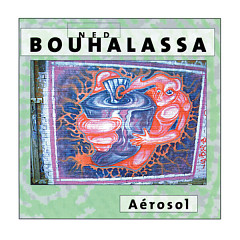
    Bouhalassa is a French composer of acousmatic music, and it appears that his name is widely renowned in experimental circles. Aérosol is yet another release from Diffusion i Media which belongs to their ‘short duration/half-price’ series. Bouhalassa’s talents are constantly in demand in the Montréal area, where he also teaches at Concordia University. Aérosol stands as a less abrasive and more «musical» release in comparison to the other DiM CDs. The artist’s attraction to cinema and science fiction is quite evident in the music — it holds a very atmospheric and suggestive quality. The track Constamment (autoportrait), really kicks in at the 10 minute mark. The techno flourishes are devine. Move 1 is a very minimal track which passes by like a strange dream. If you find many of the modern examples of noise too haphazard and experimental for your tastes, then you may just find this release to your likeing.

    Miniatures concrètes dans Nightwaves

    «Reviews», Gary Flanagan, Nightwaves, no 8, 1 avril 2001
    dimanche 1 avril 2001 Presse

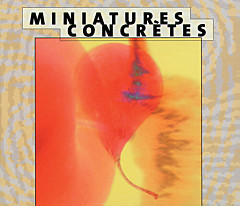
    This is a lovingly produced tribute to musique concrète. According to the liner notes, this disc features twenty four short works by as many new composers from around the Western world. It celebrates the 50th anniversary of musique concrète and its subsequent development. I have never been a huge afficionado of noise and/or musique concrète, but for those of you who enjoy the more experimental aspects of sound and recording, then you really must give this fine compilation a try. Noise artists from countries as diverse as Canada, England, Australia, Sweden and France are featured, and the results are a veritable mixed bag of sound sculpture. Some of the tracks are frightening, others are mysterious, while others seem to hold no emotional content at all. I must applaud the daring nature of Diffusion i Media . Their releases are consistently unique and bold. Also, it must be said that the packagaing for this CD is absolutely gorgeous… some of the prettiest, most colorful liner notes and inserts that I have ever seen! Very well done.

    I must applaud the daring nature of DIFFUSION i MéDIA.
  • 24
  • 25
  • 26
  • 27
  • 28
  • 29
  • 30
  • 31
  • 32