Sauter au contenu principal
electrocd

Blogue

272 résultats
  • 38
  • 39
  • 40
  • 41
  • 42
  • 43
  • 44
  • 45
  • 46
  • Radio Roadmovies dans The Wire

    «Soundcheck Review», Brian Morton, The Wire, no 239, 1 janvier 2004
    jeudi 1 janvier 2004 Presse

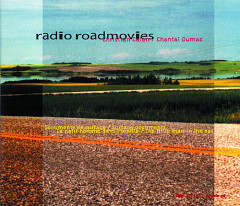
    The idea of a Canadian road movie may conjure up perversely disturbing images of defensive driving, speed limits rigidly observed and perfectly nice people encountered along the way. For the most part, that’s what Calon and Dumas deliver in these two pieces realised for Radio Canada’s L’Espace du son and Deutschland Radio in Berlin.

    Made for the former, Le petit homme dans l’oreille presents its found materials with a minimum of manipulation. Wind, birds, snatches of conversation, background ambience from a threshermen’s reunion and stampede in Manitoba contribuate to a gently bucolic cross-country journey. At times the spirit of R Murray Schafer’s prolific music is invoqued but without his ambitious grandiloquence. The key emphasis here is on the human trace in the lanscape. An awesome landscape acoustic, stirred with breaths of air and occasional bird twitters, is suddenly transformed by the Doppler wail of a freight train, human voices are caught either in the boxy acoustic of a camper van or in the delicious echo of the Ouimet Canyon.

    And so it goes, gentle and strangely uninvolving, like a long distance journey when fatigue and a drift of attention eases the miles by in affectless boredom. On Documents de surface, the human archaeology is minimal, replaced by animal and weather sounds. Canadian Pacific still puts in an appearance, but the action is more operatic with long naturalistic recitatives intersperced with choric effetcs from trees and watercourses and odd dramatic aria provided by birds.

    As a radio experience, these are doutless compelling pieces. They’re more troublesome on CD. They could have done with some visual enhancement, possibly a CD-ROM of location photography or a virtual map of relevant routes.

    Rumors of War dans Earshot

    «Review», Anne Sulikowski, Earshot, 1 janvier 2004
    jeudi 1 janvier 2004 Presse

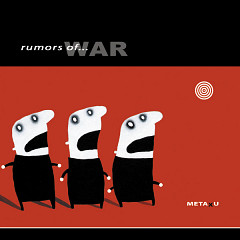
    Metaxu is a new project by Filippo Paolini and Maurizio Martusciello. This Italian duo have made important political statements on their rumors of war release. This album features tracks examining the thin line that exists between war & peace. Through their compositions it is evident that they have concerned themselves with pivotal moments of recent World History… especially the times when History itself seemed to end all at once. They examine chaos and violence through tones, loops, microtones and strangely composed drones and arranged keyboard lines. They examine the many tragedies of the world including those that have happened at Hiroshima, New York City and Sarajevo. These tracks are drenched with hints of darkness, pain and hope. The quietly interwoven clips of news and other spoken word statements scattered around the tracks makes it even more intense.

    As a whole this CD is a relaxing yet challenging listen. The track titles are clearly pointing out the meanings behind the music, directing your attentions to events that we should be clearly remembering in the world. The music can be easily played in a set with Jeremy Boyle, Takagi Masakatsu, Tetsue Innue and newer pieces by Donnachea Costello.

    … a relaxing yet challenging listen.…

    Hey Typical! dans Mana Mana

    «Kritikàk», Suefo, Mana Mana, 1 janvier 2004
    jeudi 1 janvier 2004 Presse

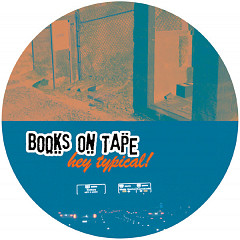
    A Todd Drootin által életrehívott Books on Tape formáció mindenképpen kielégíti a kiadója által támasztott feltételeket, miszerint alkotásai elég nehezen skatulyázhatóak be. A kanadai mûvész beatpunk néven jellemezte saját számait, ami nagyjából fedi is a valóságot, de ezzel együtt valami elektronikus dologra gondoljunk és akkor már képben is vagyunk. Helyenként a Kid 606 ugrik be, a váltások és a gegek terén, de itt azért nincs akkora zúzás, sõt az Oceania címû szám már majdnem downtempo, lehet rá bólogatni is. A 120 grammos, strandpapucskék bakelit 3 figyelemreméltó dalocskát tartalmaz a többit pedig a hamarosan megjelenõ, második Books on Tape nagylemez rejti.

    May ’68 dans Mana Mana

    «Kritikàk», Suefo, Mana Mana, 1 janvier 2004
    jeudi 1 janvier 2004 Presse

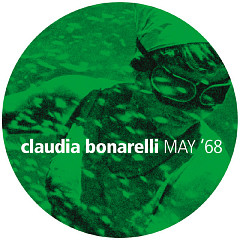
    A svéd mûvésznõ felvételei korábban a Mitek és a Mille Plateaux kiadóknál láttak napvilágot. Mûfajváltás nem történt, tehát ezen a kislemezen is minimal-house és electronica párosítása érhetõ tetten. Bár otthoni hallgatásra ajánlják az anyagot, a nyitó tétel, a Consumer Culture enyhén szólva is zaklatott világa erre kevésbé alkalmas, a mély hangoktól még kisebb hangerõn is minden mozdítható berendezési tárgy beindult a szobában. A címadó May ’68 sokkal lassabb, dub orientált, mély zene. A fonákon pedig újra a sodróbb, lendületesebb, de azért nagyonis atmoszférikus zenéké a terep. Akinek bejönnek Kit Clayton, vagy a Tennis munkái, ezt is csípni fogja.

    Front dans Time Off

    «Review», Time Off, 1 janvier 2004
    jeudi 1 janvier 2004 Presse

    Located in Saskatoon, Haiven and Vaughn are electroacoustic composers concerning themselves with a wide range of sound sources. Over the course of this 73-minute piece, the duo explores a range of complex textures, repetitiously shifting rhythm patterns and audio cut-ups. Drifting from sheer walls of intense feedback to quite sparse audio plains, this composition is a detailed and considered work that highlights the two composers’ developed sensibilities.

    Sings the Blues dans Cracked

    «Review», Cracked, 1 janvier 2004
    jeudi 1 janvier 2004 Presse

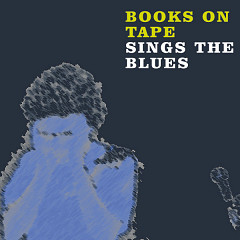
    Fine second album by LA-electronica artist Books on Tape. The digipak with the Blue Note-design brings you sixteen straight forward electronic instrumentals that range from laidback experimental hip hop to sleazy porn-grooves and everything in between. Sometimes the music is as superficial as a can of tuna, then he adds some experimental flavour, effects and samples to keep me happy. Strange sense of humour for sure, but also a multi-layered, ever-changing example of a completely uninhibited attitude towards music, by someone who might say that “to rock” is the most important thing and who may think that “hyperactive” is a compliment. Well, if you look at it that way, he is right.

    Being compared to Timbaland, Aphex Twin and Sonic Youth within one paragraph must be hard to swallow for any artist. It so happened to Todd Drootin aka Books on Tape. Had to be someone who only listened into Sings the Blues half-assed and with his mind set on finding some astounding and purchase-inducing comparisons. Or maybe this writer-person only read the thanks-list of Books on Tape in this record, which actually does name Sonic Youth and Timbaland (but not Aphex Twin), as well as Talking Heads, Pavement, Albert Ayler, Public Enemy, The Fall, Art Ensemble of Chicago, Neil Young, Mike Patton, The Pixies and David Bowie, plus some others. But not because these people are making music that is somewhere and partly found also in Sings the Blues — a foolish notion that will always end in one of two extremes: every song / track is different from any other song / track or all music is one and the same, but I’d strongly advise to keep zen-philosophy out of electronic music as much as possible. There is one characteristic combining these artists mentioned, and that is their attitude towards making music. All of them followed their own vision and tried and kept on trying to produce something new and unique. Insofar it is a good idea to take them as mentors and idols for any aspiring musician. Two questions have to be asked, though: Why is there not a single artists from the electronic genre in the thanks list? And does Books on Tape produce something new and unique?

    I’ll skip the first question for pure low-brow-journalism and get right to the more important one concerning the musical progress and artistical content of Books on Tape. The answer is, yes, there is something about Sings the Blues that is new and striking, but at a lot of times the tracks also seem a little unfinished or not quite ready yet. Todd Drootin obviously enjoys to mix intricate atmospheres around driving beats with spliced samples and then pours some blatantly stupid keyboard-melodies over it. So he might start a track with some glitches and clicks of the finest making, then hit you in the neck with a keyboard line that might come straight from Giorgo Moroder only to start a 160bpm-weirdo-rhythm over that all, complete with drum’n’bass-licks and -fills here and there. Then he bangs you around the head with that for several minutes and calls it Death In the Sex Shop. He does that over and over again on Sings the Blues without ever really repeating himself. It reminds me of painting something beautiful very realistically, then pouring red paint over it and then sticking a glimmering star with as a tag to the upper right corner.

    Most of the time Books on Tape rocks like the Seventies did. His humour and straight-forwardness are definitely advantages, especially when playing live and, for once, this is an electronic act I’d like to see live. He might bring the sweatiness and rockbeats of live-guitar-bands back to the dancefloors, so DJs might be interested in this record, so they can scrap a little of the atmosphere for their sets. I am quite sure, that Todd Drootin wants to become famous and beloved, a rock-star in a sense, but I only judge from the exhaustive thanks-list, the screaming info-sheet and the stadium-compatible beats of this record. A big step for a laptop-musician in any perspective. Personally, I prefer the more laidback and relaxed tracks, that are a little more experimental and use strange sounds and settings, rather than the straight forward rockers. So I’d rather listen to tracks such as Republic Of (my highlight). But all in all, Sings the Blues is an interesting record to be used on various occasions, by people who are not easily distracted by conflicting sounds and styles.

    Strange sense of humour […] a multi-layered, ever-changing example of a completely uninhibited attitude towards music…
  • 38
  • 39
  • 40
  • 41
  • 42
  • 43
  • 44
  • 45
  • 46