Sauter au contenu principal
electrocd

Blogue

107 résultats
  • 8
  • 9
  • 10
  • 11
  • 12
  • 13
  • 14
  • 15
  • 16
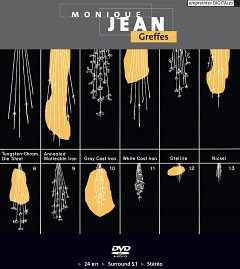
  • Greffes dans Chain DLK

    «Review», Vito Camarretta, Chain DLK, 14 avril 2013
    dimanche 14 avril 2013 Presse

    Coming on the uncommon format of DVD-Audio to exploit the sonic cinematic quality of 5.1 surround, this second solo release by Montréal-based composer Monique Jean succeeds in enmeshing listeners by means of meticulously moulded reticulums whose intrinsically intricacy seems to have been unravelled in order to make every graduated shading more appraisable and enjoyable by the adoption of a sort of modular laying of sonic flagstones or, to reprise the title chosen by Monique, a series of grafts and insertions. After the immersive long-lasting first track Givre (French word for “hard rime,” the crystallization of water drops, caused by the so-called supercooling of fog), which renders this freezing process in an extraordinarily vivid way by means of electroacoustic weaponry, granular sounds, thin whishes an withering sonic entities, Monique elevates the concept, abridged in the title of her album (Greffes is the French word for grasps), by three impressive grasps of traditional acoustic instruments into acusmatic offshoots: Ricochet sounds like the tuning of a saxophone into a complicate system of dampers and shock absorbers, Misfit — my favorite sonic game — seems to represent the transplant of electronic and electric circuits and belt sanders within the body of an electric guitar while on low memory #3, Monique seems to trace the adventourous journey of clarinet sound over a route of tension pulleys, trip hammers and rusty wheelbarrows. On the final low memory #1, a windmill of viscous drones, woody burrs and metallic creaking gropes into electric gusts in a streamlined way which will make it easy to metabolize even for listeners, who are not accustomed to this kind of sonorities and are invited to explore the interesting sonic research of tensions and ruptures of sonic matter and the transmutation of concrete sounds into a poetic dimension by this composer.

    … an extraordinarily vivid way by means of electroacoustic weaponry, granular sounds, thin whishes an withering sonic entities…

    Annunciations dans Skug

    «Kritik», Curt Cuisine, Skug, no 94, 6 avril 2013
    samedi 6 avril 2013 Presse

    Fortner Anderson gilt als einer der ersten spoken word — Künstler überhaupt, bekannt für eindrucksvolle Performances und acapella — Lesungen. Seit 1976 lebt und arbeitet der gebürtige Amerikaner in Montréal. Annunciations ist sein vierter Longplayer. Das gilt in diesem Fall dreifach, denn wir haben es mit einer Triple-CD zu tun, allerdings jeweils eher in halber bis ganzer LP-Länge. Es gibt vermutlich gute Gründe, warum sich diese neun Stücke von neun verschiedenen Komponisten auf drei CDs verteilen, allein, man kennt diese vermutlich nur, wenn man das dazugehörige book of poems besitzt. Denn kompositorisch liegen zwischen den neun Herren teilweise Welten und auch der Umgang mit dem Sprach — oder Lesematerial Fortners ist in manchen Fällen mit radikal noch halbwegs harmlos beschrieben. Bei Christian Kestens Remix etwa sind wir nahe dran an Heinrich Bölls berühmter Kurzgeschichte Dr. Murkes gesammeltes Schweigen bzw. in diesem Fall eher Dr. Andersons gesammeltes Räuspern. Na gut. Beeindruckend an Annunciations ist, wer hier quasi vertont. Neben Kesten treten auf: John Berndt, Christian Calon, Martine Crispo, Ned Bouhalassa, Chantal Dumas, Andy Williams, sowie Nicolas Bernier und Alessandro Bosetti. Vor allem die letztgenannten Herren haben großartig eigenständige Arbeiten abgeliefert, Bosetti mit Der italienische Manierismus, Bernier mit Strings.Lines. und stechen daher nicht von ungefähr ein wenig heraus. Insgesamt eine durchaus stimmige, fast ein wenig demonstrative Sache. Wer heimlich Gedichte (der jede andere Spielarten von Poesie) verfasst und schon mal daran gedacht hat, die eigenen Texte durch die zeitgenössische Avantgarde vertonen zu lassen, hört hier hinein und weiß danach, ob bzw. auf welche Art davon er/sie das wirklich will.

    Lieux imaginaires dans ATTN:Magazine

    «Review», Jack Chuter, ATTN:Magazine, 4 avril 2013
    jeudi 4 avril 2013 Presse

    Large-scale sonic sculptures and narratives, in Steven Naylor’s very first acousmastic work.

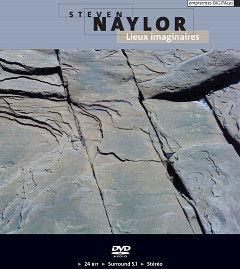
    It’s quite a trip. Lieux imaginaires is like some bizarre, metamorphosing wormhole of abstract texture and human experience; a strange co-ordination of both real-world sounds and vibrant dollops of imagined landscape, constantly transforming into new and unforeseen states. Even when I become fully mindful of the record’s skittish manner of movement, its transformations are no less startling. For example, I Wish rips open with a sudden sigh of female vocal – a knife of human immediacy in amongst the distant and highly processed – which leaves breaths and vo’wels protruding before gradually being mashed up into a tumbleweed of nanosecond sonic particles.

    Sound is both invasive and far away; not only in terms of its proximity (rubbed across the eardrums before reappearing seconds later as a mere horizon glimmer), but also for its familiarity – cutesy melody climbs miraculously out of a well of elasticated noise, while spiderwebs of electronics are plastered across the bustling embrace of public space chatter. The album’s closing 27 minutes are devoted entirely to The Thermal Properties of Concrete, which brings all of these characteristics together under the umbrella of industry – traffic noise, monologues on concrete, theatrical rants against modern life and piercing drones that emulate the claustrophobic (yet threateningly vast) cityscape that rises up via Naylor’s grand-scale sound design.

    It’s quite a trip.

    Automacité dans Terz

    «Made My Day», Honker, Terz, 1 avril 2013
    lundi 1 avril 2013 Presse

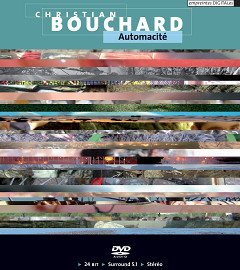
    Hier das komplette Gegenteil: Das auf DVD-Audio editierte zweite Soloalbum des kanadischen Elektroakustikers Christian Bouchard ist ein ganz besonderes Schmankerl zum Schluss. Das schwierigste Audiomaterial ist mitunter das Logischste also Fordernste also Beste. Die konsequente Klangakusmatik Bouchards bietet mithin das radikalste Audio der Gegenwart. Es geht um die Transformation von abstraktem Expressionismus, um die konsequente Vermeidung von Erzählung oder poetischem Ausdruck und der radikalen Nicht-Bezugnahme der Parameter Klang und Form. Wer hier noch mitkann und -will, ist gerüstet für die Zukunft. Der Rest ist Rüst und Rost und Rüpel für die Vergangenheit. Es ist zwar vorbei, aber die Erinnerung bleibt für die neue Tat.

  • 8
  • 9
  • 10
  • 11
  • 12
  • 13
  • 14
  • 15
  • 16