electrocd

Blog

85 results
  • 5
  • 6
  • 7
  • 8
  • 9
  • 10
  • 11
  • 12
  • 13
  • Nécropolis in KindaMuzik

    “Kritiek”, Sven Schlijper, KindaMuzik, June 2, 2016
    Thursday, June 2, 2016 Press

    Een blinde dromer en de stad van de doden; een land van glas en stemmen zonder context — het zijn de decorstukken en instrumenten waarmee de Zweedse elektroakoestische componist Åke Parmerud een viertal werken optrekt die zowel schatplichtig zijn aan Bernard Parmegiani als aan Olivier Messiaen.

    Parmerud werkt site specific in geluid. Dat wil zeggen: zijn composities onderzoeken de klank van een plek uitentreuren. Details komen daarbij niet zelden onvermoed voor het voetlicht; ook de toonzettingen van de randen van het werkveld, vaak nauwelijks hoorbaar, of pas in botsing met andere geluiden, worden bestudeerd. En met dat laatste onderscheidt Parmerud zich nadrukkelijk van vele collega’s: hij schetst niet, verkent niet, scheert niet langs. De Zweed pakt beet, zoomt in en luistert grondig.

    De droom in de duisternis zit vol slaande deuren, lekkende kranen en kwinkelerende belletjes. De droom van een blinde man, inderdaad. En dat zou een ongemakkelijke litanie aan geluidjes kunnen zijn of juist een steriele staalkaart. Bij Parmerud krijgt juist het droomdeel van het stuk alle poëtische ruimte en zit je op het puntje van de stoel; vooral na een bijna stil deel middenin, waarna suggestie de overhand krijgt.

    Parmerud ontlokt aan glas een intens spel met drone en kwetterende stemmen. Die laatste komen versneden terug in een compositie die zich als polyglot laat kennen. Of beter: die schier onmogelijk te vatten is; als een toren van Babel in muziek waar betekenis van woorden wordt losgelaten en de kenmerkende uitspraakeigenschappen van vele talen in een bijna gedecomponeerd werk als het ware explosief van elkaar wegschieten.

    Muziek, herinnering, reflecties van de natuur in de concertzaal, im- en expressie, constructie versus deconstructies en dan vooral de ruimte die daartussen zou kunnen liggen, met of zonder context: Åke Parmerud deelt op in stukjes, legt die stuk voor stuk onder vergrootglas en microscoop en juist daardoor wijst hij de luisteraar op wat er in het rumoer van een drukke kroeg, het gekakel in een treinstation en overal eigenlijk te horen is, als je maar even net iets anders zou opletten.

    De Zweed pakt beet, zoomt in en luistert grondig.

    Åke Parmerud in Now Then

    “Sound Junction”, Sam Gregory, Now Then, no. 99, June 1, 2016
    Wednesday, June 1, 2016 Press

    With true 360° music – a step up from your surround sound hi-fi – you have no choice but to accept sound on its own terms. Sonic textures emerge from the front or approach from one side and then dance around the room, before dissipating or mutating into another sound behind you.

    Last month Sheff Uni presented four free concerts showcasing the medium. On Saturday 14 May I caught a programme by Swedish composer Åke Parmerud, who oversaw the performance from a laptop in the middle of the audience. Parmerud’s first piece, Crystal Counterpoint, was centred around glassy high-pitched sounds, capturing the sub-audible essence of a dinner party. Freed from the constraints of rhythm, he could stretch his tones like elastic or speed them up to exponentially escalating tempos, recreating the sound of a spinning pound coin just before it falls flat on its side.

    Grooves seemed to explore textures and materials, specifically what you would hear if someone put a paper bag over your head. Growl!, the most playful piece by Parmerud, apparently sampled a Norwegian black metal vocalist, extracted from the source material and chopped up until his yelps and blood-curdling howls echoed around the head like a bad trip.

    After the interval came music that could have been a foley sound track from a Transformers film, all power-up wooshes and metallic clangs. Eventually, a chugging four-four kick emerged from the menacing abstraction and suddenly we could have been in Tresor.

    Sunday’s program was subtler, but some pieces still surprised. James Surgenor’s Twist and Turn took us through a rainforest before ushering us into a celestial clearing, while Overture by Alejandro Albornoz seemed to ask the audience if they could differentiate real human voices from electronic approximations, a line that became increasingly blurred as the piece progressed. The première of Ceramos by Chris Bevan brought things to a dramatic close, with sudden crescendos that turned Firth Hall into a cathedral.

    Sonic textures emerge from the front or approach from one side and then dance around the room…

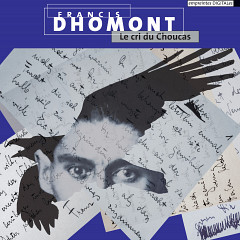
    Le cri du Choucas in MusicPaper

    “Playlist”, Anthony N Frank, MusicPaper, June 1, 2016
    Wednesday, June 1, 2016 Press

    Βετεράνος συνθέτης της ηλεκτροακουστικής και ακουσματικής μουσικής, ο 90χρονος Francis Dhomont, δημιουργεί ένα έργο με αποσπάσματα από γραπτά του Κάφκα, ονόματι Le cri du Choucas. Τρίτο και τελευταίο μέρος της δουλειάς του — Cycle des profondeurs — για τον Τσέχο συγγραφέα, ο Dhomont χρησιμοποιεί τα κείμενα με ψυχαναλυτικές και συμβολικές διαθέσεις με την παραμορφωμένη φωνή του αφηγητή να συνοδεύεται από μουσικές — από συμβατικά όργανα, φωνές, ηχητικά εφέ, field recordings, ηλεκτρονικά δημιουργημένους ήχους και ακουστικό υλικό παραποιημένο από προτσέσορες — σε μια νουάρ καφκική ατμόσφαιρα.

    … σε μια νουάρ καφκική ατμόσφαιρα.

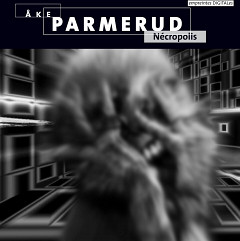
    Nécropolis in Rif Raf

    “Love on the Bits”, Fabrice Vanoverberg, Rif Raf, no. 221, June 1, 2016
    Wednesday, June 1, 2016 Press

    Son nom est tout un programme, tant son retour en 2015 avait été tonitruant, et pas seulement parce qu’il rompait un silence long de douze ans (Growl). Quelques mois plus tard, Åke Parmerud renvoie au vestiaire les souvenirs de métal (la musique, pas la matière) sur son nouvel essai Nécropolis (empreintes DIGITALes). Tourné vers le versant acousmatique de son œuvre, le sexagénaire suédois nous offre quatre morceaux de sa plume, ils datent d’entre 2005 et 2011. À vrai dire, est-ce leur complexité ou leur froideur, il nous a été bien difficile de trouver des points d’accroche. En dépit de rythmes effrénés, notamment sur l’inaugural Dreaming in Darkness, ou de bruits vitreux d’une pureté cristalline sans concession (Crystal Counterpoint ̧ le bien nommé), les chemins tortueux empruntés par Parmerud nous ont parfois égarés. Seule exception, et elle est à couper le souffle, son ReVoiced de 2009, pièce vocale démentielle entre Amazonie, Russie et Luciano Berio. Au moins.

    … à couper le souffle…

    Le cri du Choucas in Carnage News

    “Recensione”, Riccardo Gorone, Carnage News, June 1, 2016
    Wednesday, June 1, 2016 Press

    Francis Dhomont, audioartista belga specializzato in musique concrète e acusmatica, presenta un disco la cui ricerca è iniziata una decina d’anni fa, su Kafka, dal titolo Le cri du Choucas, “il grido della cornacchia”, o, ancora meglio, “il grido della taccola”, uccello sempre passeriforme dal piumaggio nero grigiastro, spesso considerato “uccello pericoloso, associato a morte e rovina” come sostiene Florence Bancaud nel suo Kafka ou le nom impropre. E da qui il riferimento allo scrittore ceco (Kavka, in ceco, significa letteralmente taccola, cornacchia, appunto) il cui mondo e la cui figura sembrano innestarsi completamente con questo immaginario.

    Molto intelligente la narrazione delle tracce, poiché di questo si parla: la comprensione profonda che il suono si sviluppa all’ascolto orizzontalmente, come la narrazione, come il potere cinetico della voce narrante. Al di là dei titoli che sono chiaro riferimento alle opere letterarie (La loi, La colonie pénitentiaire, Le père, La métamorphose), Dhomont sviluppa le sue tracce seguendo le vicende del celebre racconto, Davanti alla legge, che spesso intervengono nei vivissimi affreschi acusmatici. La voce narrante, presenza quasi minacciosa dell’opera, è alterata, pitchata verso il basso in modo da risultare asettica e inesorabile. Il disco è sicuramente denso (momenti davvero profondi come i quasi 15 minuti di Le père in cui Dhomont mescola cori, noise, voci, rumori d’ambiente, armonici intonati, che regalano un’imponente immagine del dissidio interiore di un rapporto) dovuto soprattutto alla sua complessità, ma la scelta dell’autore riesce ad essere accattivante: il taglio prospettico scelto dal Nostro si concentra su ciò che Kafka era in Kafka, l’autore nelle sue opere, o meglio, l’autore filtrato dalle sue opere. Si pensi alla traccia Le Choucas in cui voci che si sormontano ripetono il nome dell’autore che si mescola al nome della cornacchia in ceco e francese (kafka, kavka, choucas), identificando le sue figure, mettendo a nudo l’autore e la sua figura che si auto interroga, che si auto accusa (impossibile non pensare alle atmosfere de Il Processo). Raffinate le due “parafrasi” di Dhomont (Paraphrase I e Paraphrase II) con cui prepara piccoli sipari sonori introdotto da alcuni fondamentali passaggi del racconto di cui poco sopra. Inquiétante étrangeté passa in rassegna, tra le varie registrazioni, un estratto audio che sottolinea l’olismo della figura kafkiana: il meccanismo onirico delle sue opere ha fatto sì che fossero il mezzo per poter sviluppare i diversi aspetti di lui stesso in una figura unica.

    Il lavoro di Dhomont è lo specchio incrinato della figura di Kafka e, nel contempo, una linea di luce che fa brillare aspetti inediti dell’opus all’ombra della cornacchia.

  • 5
  • 6
  • 7
  • 8
  • 9
  • 10
  • 11
  • 12
  • 13