electrocd
  • This website is also available in English.

Blog

4252 results
  • 269
  • 270
  • 271
  • 272
  • 273
  • 274
  • 275
  • 276
  • 277
  • Les arbres in Le Lien multimédia

    “Critique”, Charles Prémont, Le Lien multimédia, September 4, 2008
    Thursday, September 4, 2008 Press

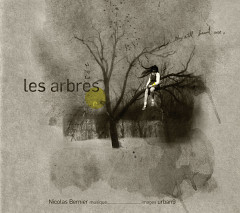
    Électroacousticien de formation, musiciens aux multiples projets, nouveau directeur artistique de Réseaux, on ne peut pas dire que Nicolas Bernier a l’âme d’un chômeur. Et ça se ressent dans son dernier disque, Les arbres. Un album soigné, composé avec soin, qui nous emporte dans un monde qui flirte avec une sonorité expérimentale tout en demeurant musique au sens le plus commun du terme. Un effort remarquable de 45 minutes qui nous fait planer et prendre plaisir à décortiquer l’amalgame préparé par l’artiste.

    Album tout en douceur, c’est d’abord une ambiance que nous propose le musicien. Composé avec précision, c’est avec plaisir que notre oreille accroche sur la variété de sons qui nous sont proposés. On perçoit toute la profondeur du compositeur dans sa musique, ses mélodies qui nous portent, qui veulent se faire écouter. L’artiste apporte une touche d’harmonie en utilisant des instruments «organiques» dans plusieurs compositions, ce qui apporte beaucoup à l’ensemble.

    Nicolas Bernier a pris un risque avec un album qui demeure très près de ce qui se fait en électroacoustique. Les amateurs du genre reconnaîtront plusieurs sons et ambiances qui proviennent directement de cette musique électronique pour puriste. L’habileté avec laquelle il réussit à rester près du genre tout en innovant dans la forme est impressionnante. L’album a du succès là où beaucoup de musiques électroniques échouent: il fait le pont entre les amateurs et les néophytes.

    Un album qui mérite qu’on s’y arrête, que l’on soit amateur ou non. Il ne s’agit peut-être pas là de la musique la plus accessible, mais elle n’est certainement pas indigeste. Ceux qui sont déjà plongés dans l’électroacoustique aimeront la fraîcheur et la technique de l’artiste; ceux qui n’ont jamais fait l’écoute de ce genre musical pourront faire une jolie découverte.

    L’album a du succès là où beaucoup de musiques électroniques échouent: il fait le pont entre les amateurs et les néophytes.

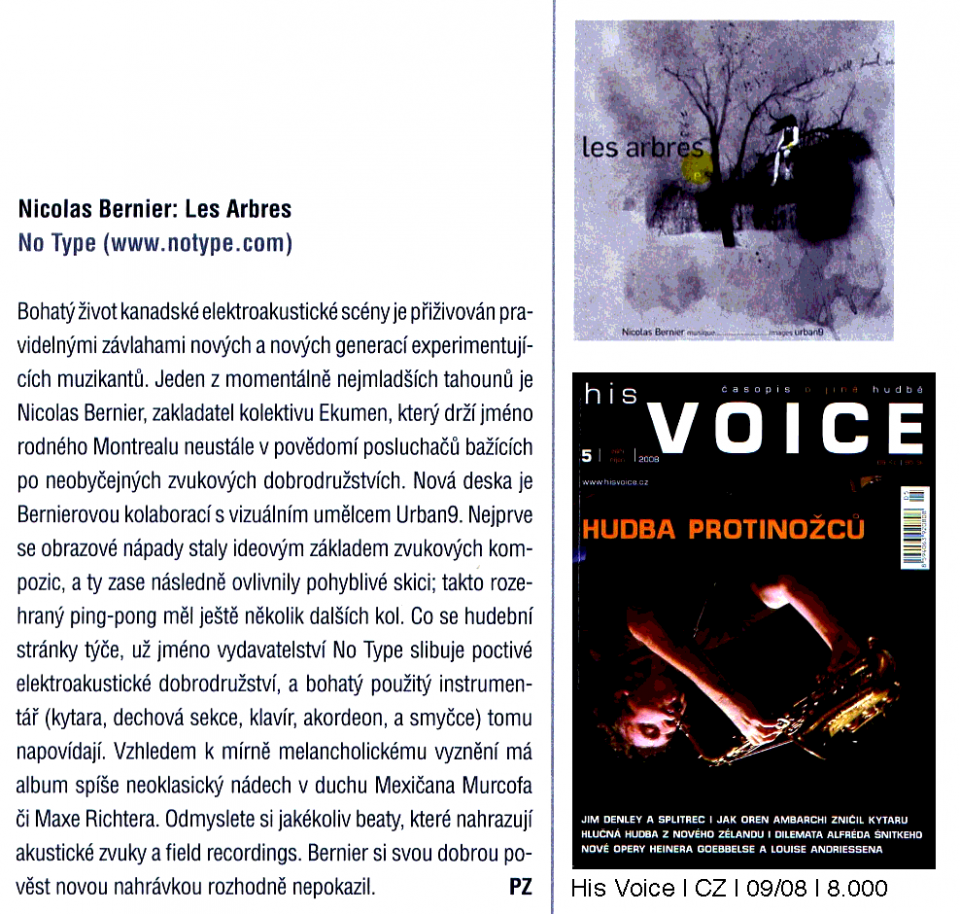
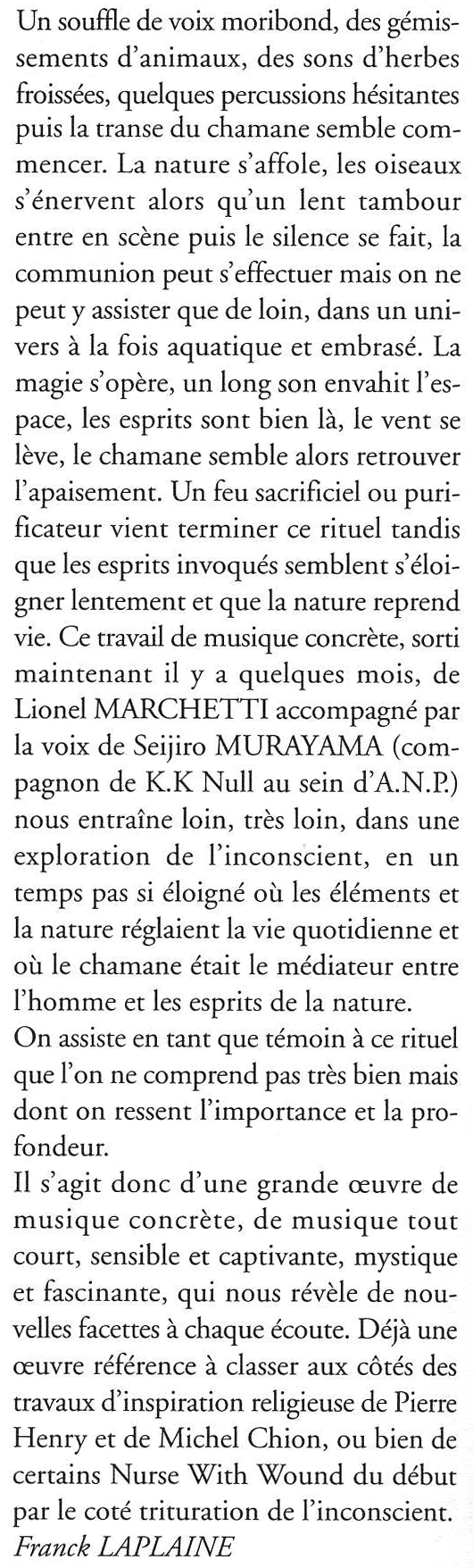
    Les arbres in His Voice

    “Review”, Pavel Zelinka, His Voice, September 1, 2008
    Monday, September 1, 2008 Press
    The images and sounds of Les arbres work both as works of art in their own right and as a multimedia experience which encapsulates its audience in a nostalgic, discreetly melancholic and romantic emotional bubble.

    Les arbres in Blow Up

    “Recensione”, Stefano Isidoro Bianchi, Blow Up, no. 124, September 1, 2008
    Monday, September 1, 2008 Press

    Nato dalla collaborazione col visual artist Urban9, Les arbres del canadese Nicolas Bernier parte su toni soffusi e malinconici per field recordings, pianoforte, chitarra, vibrafono, fisarmonica e archi appenna accennati, sfiorati con timidezza e ritrosia. La poesia dei primi brani si carica poi di soffici nubi jazz e rumorismi gentili che adombano atmosfere leggermente più disturbate pur mantenendo sempre un mood profondamente nostalgico e struggente. È una soundtrack carica di sentimento, che ti entra nella pelle per non uscire più. (7)

    È una soundtrack carica di sentimento, che ti entra nella pelle per non uscire più.
    7

    Lieu-temps in Touching Extremes

    “Review”, Massimo Ricci, Touching Extremes, September 1, 2008
    Monday, September 1, 2008 Press

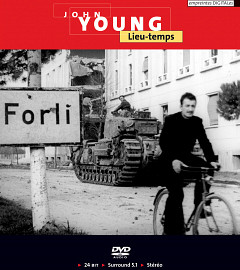
    As soon as the sign “Forlì” was spotted on the cover I got curious, as understanding the perpetual attraction of distant visitors for that socio-cultural quagmire called Italy — by far one of the most overrated countries in the globe in every sense, except perhaps the splendour of some of the landscapes and a few historic/artistic sites — keeps making a living as a perplexing matter in my mind. Still, this audio DVD is much more significant than that type of scrutiny, depicting how the shock of war (in this case, WWII) and the might of an everlasting reciprocal devotion often intertwine branches. John Young’s father Alex was in that city in 1944, a soldier in the New Zealand contingent of anti-German allies. Right there he met Tarcisia Fariselli — “love at first sight”, as Alex himself explains — who became his wife, following him after the end of the conflict. The crossroads of these destinies is movingly portrayed by a son who, admirably, devoted a huge endeavour to the circumstances during which his parents began to share a life. In Ricordiamo Forlì, Young utilized their voices, tapes of onsite reports from that era’s transmissions (from the archives of BBC and Radio New Zealand) and extraordinary field recordings of the city, the most frequent being the tolling bells of the churches, which the composer feels as “something permanent, yet alive” communicating a strong emotional message to a man who had listened to these recollections since he was a kid but only in 2002 was able, together with dad, to inhale the air of the place where it all happened. The set’s design, despite its intensely dramatic suggestions, sounds at times like an amazing fairy tale (also due to the essential presence of Franco Bianchini’s narrating voice) as Young magnificently delivers the blend of complementary sensations underlying the account through a vast range of breathtaking sonic structures, so striking that the great amount of spoken word segments never challenges our endurance; on the contrary, one’s impatient to know “what happens next”. The piece emerges as an intense acousmatic journey, utterly worthy of the 1st prize won at the Bourges International Festival in 2007. Another affecting composition for small orchestral group and electroacoustics, Arrivederci, closes the record with a touch of class by the Stroma ensemble, whose responsive reading of the score meshes with the ever-present sound of a bell — processed or less — closing a circle where grieving memories seem to claim the protagonist’s role, even when love is central in the unfolding story. Tangible mournfulness in a next-to-masterpiece oeuvre.

    Tangible mournfulness in a next-to-masterpiece oeuvre.
  • 269
  • 270
  • 271
  • 272
  • 273
  • 274
  • 275
  • 276
  • 277