Sauter au contenu principal
electrocd

Blogue

4252 résultats
  • 7
  • 8
  • 9
  • 10
  • 11
  • 12
  • 13
  • 14
  • 15
  • Écraser l’autre dans RNE3: Atmósfera

    «Crítica», RNE3: Atmósfera, 22 décembre 2024
    jeudi 9 janvier 2025 Presse

    Hoy exploramos una crítica mordaz a la música acusmática, esa rama vanguardista que se ha convertido en prisionera de su propio elitismo. Su estética rechaza cualquier forma emocional o narrativa comprensible, atrapándose en un universo de ruido insípido y predecible. Paradójicamente, sus creadores, a menudo orientados al marketing, recurren a la jerga académica para impresionar, perdiendo de vista una conexión genuina con la humanidad que experimenta la música. ¿El resultado? Sonidos difíciles de disfrutar, alejados del trabajo minucioso y colaborativo de otros géneros comerciales.

    El autor, un compositor acusmático, propone una ruptura: humanizar estas composiciones y aprender de quienes hacen música para un público real. Mientras en el ámbito comercial se perfecciona cada detalle con herramientas innovadoras, la música experimental desprecia esas técnicas, tachándolas de “comerciales”, olvidando que están basadas en estudios profundos sobre cómo percibimos los sonidos.

    La conclusión es clara: el esnobismo ha aislado a esta música, alejando talentos que podrían enriquecerla. El álbum que os estamos proponiendo ahora de Dominique Bassal, titulado Écraser l’autre — descrito como incómodo y provocador — busca desafiar esas normas. ¿Puede la música experimental conectar nuevamente con las emociones y la sociedad? Es una pregunta abierta, que nos hacemos muy seriamente en nuestra Atmósfera vertebrada por este tipo de sonoridades. Escuchamos ya algunas de estas respuestas de la mano de Dominique Bassal en forma de sonido.

    No quería dejar pasar por alto la portada de este disco, describe a la perfección toda esta problemática en tan solo una imagen, potente y arrolladora.

    L’album que nous vous proposons aujourd’hui de Dominique Bassal, intitulé Écraser l’autre — décrit comme inconfortable et provocateur — cherche à remettre en question ces normes. La musique expérimentale peut-elle renouer avec les émotions et la société?

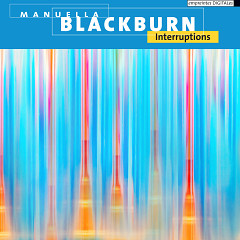
    Interruptions dans Chain DLK

    «Review», Vito Camarretta, Chain DLK, 29 décembre 2024
    dimanche 29 décembre 2024 Presse

    Interruptions — an evocative title for Manuella Blackburn’s third solo album — feels less like a pause and more like a careful rewiring of the everyday. In this collection of five acousmatic works, Blackburn transforms the ordinary into the extraordinary, turning familiar sounds into vibrant sonic sculptures that demand your full attention, even as they playfully tug at your imagination.

    Blackburn, a British electroacoustic composer and a master of the acousmatic craft, has carved out a niche as a meticulous soundsmith. Her work is a masterclass in detail — an intricate mosaic of small sounds delicately clustered into polished, fantastical worlds. With Interruptions, she invites us into these worlds, each track a doorway into an alternative reality where home appliances hum with existential depth and microplastics might as well be stars in an alien cosmos.

    The album opens with Home Truths, a contemplative yet playful piece that feels like eavesdropping on a domestic space that’s come alive. Everyday sounds — doors creaking, water dripping — unfold into something uncanny, as if the house itself were whispering secrets about the people who inhabit it.

    Microplastics dives headlong into Blackburn’s knack for turning ecological concerns into sonic poetry. The sharp, glassy textures evoke a shimmering sea polluted with invisible invaders — beautiful, yes, but with an unsettling undertow. It’s an aural reminder of humanity’s footprint, refracted through Blackburn’s lens of meticulous transformation.

    Farewell Fairlight serves as the album’s nostalgic centerpiece. A twelve-minute love letter to the iconic Fairlight CMI synthesizer, it juxtaposes vintage tones with Blackburn’s modern acousmatic toolkit. It’s not so much a goodbye as a reimagining, where yesterday’s technology becomes tomorrow’s inspiration.

    Cupboard Love is perhaps the album’s wittiest offering — a cheeky exploration of culinary chaos that turns the clatter of pots, pans, and kitchen drawers into a percussive symphony. Blackburn’s playful touch is on full display here, proving that even the mundane can become delightful in the hands of a master composer.

    The final track, Landline, closes the album on a hauntingly nostalgic note. The sound of a ringing telephone — a relic in our age of smartphones — echoes through a richly textured soundscape, a ghostly reminder of connections lost and found.

    Interruptions isn’t just an album; it’s an invitation to listen differently. Blackburn’s ability to transform the banal into the beguiling is a testament to her skill and vision. These works aren’t merely interruptions in the flow of everyday life — they’re celebrations of the strange beauty hidden within it.

    With Interruptions, Manuella Blackburn once again proves why she’s one of the most compelling voices in acousmatic music. It’s an album that challenges, charms, and delights in equal measure — a perfect companion for anyone willing to trade the ordinary for the extraordinary, even for just a moment.


    With Interruptions, Manuella Blackburn once again proves why she’s one of the most compelling voices in acousmatic music.
    ★★★★

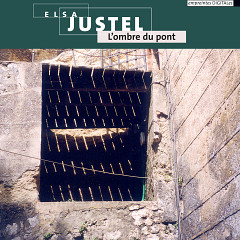
    L’ombre du pont dans Chain DLK

    «Review», Vito Camarretta, Chain DLK, 29 décembre 2024
    dimanche 29 décembre 2024 Presse

    Elsa Justel’s L’ombre du pont (“The Shadow of the Bridge”) is a bridge in its own right — a sonorous structure linking past to present, abstraction to homage, and chaos to crystalline clarity. In her third solo album, the Argentine-born, France-based composer masterfully merges acousmatic abstraction with heartfelt tributes to some of the most revered figures in the world of electroacoustic music.

    Opening with the aptly titled Déjà vu, Justel seems to tease the listener with the sensation of having been here before, only to pull the rug out with unpredictable sonic twists. It’s a journey through shadowy terrains, where familiar echoes transform into alien whispers, a reminder that nothing under this bridge is quite as it seems.

    The four “abstract” pieces in the album are anything but opaque — they are luminous fragments of sound, meticulously arranged. Ce monde et ailleurs (“This World and Elsewhere”) feels like an existential question posed in frequencies and textures, while Casi nada (“Almost Nothing”), a tribute to Luc Ferrari, revels in its understated brilliance, creating an expansive universe from a seemingly minimal palette.

    Then comes L’ombre du pont’s heart: a series of seven short tributes to giants of the electroacoustic genre. These aren’t mere imitations or pastiches; they are love letters penned in Justel’s unique voice. Haricots et petits bâtons (“Beans and Little Sticks”) is playful and whimsical, like a child’s drawing turned into sound. Wessen (“Whose”) honoring Beatriz Ferreyra, feels like a spirited conversation between the past and the present, where Justel’s voice harmonizes beautifully with Ferreyra’s legacy.

    Pieza en forma de té (“Piece in the Shape of Tea”) is steeped in quiet reflection, as if savoring an aromatic cup while contemplating life’s fleeting moments. In contrast, L’expérience caustique (“The Caustic Experience”) channels François Bayle with sharp, sizzling bursts of sound that crackle like an electrical storm.

    Justel’s deep roots in both Argentina and France shine through the album’s textures. Her profound academic background — studying under luminaries such as Horacio Vaggione — blends seamlessly with her knack for transforming the everyday into the extraordinary. These tracks are not merely compositions but sensory experiences, each one as tactile as it is audible.

    The album’s closer, C’est lui (“It’s Him”) — an hommage to Francis Dhomont —, feels like a final tip of the hat — a playful yet poignant punctuation to a collection that oscillates between reverence and innovation.

    L’ombre du pont sounds like an auditory memoir. Justel captures both her own voice and the echoes of the composers who have inspired her. It’s a sonic kaleidoscope — each twist revealing new patterns, all held together by the steady hand of a composer who knows how to make the invisible bridge between sound and meaning tangible.

    In the shadow of this bridge, you’ll find beauty, wit, and a generous dash of mystery. Whether you’re a seasoned aficionado of acousmatic music or a curious newcomer, L’ombre du pont invites you to pause, listen, and marvel at what lies beneath and beyond.

    … a sonorous structure linking past to present, abstraction to homage, and chaos to crystalline clarity.
    ★★★★
  • 7
  • 8
  • 9
  • 10
  • 11
  • 12
  • 13
  • 14
  • 15