Sauter au contenu principal
electrocd

Blogue

4252 résultats
  • 653
  • 654
  • 655
  • 656
  • 657
  • 658
  • 659
  • 660
  • 661
  • L’ivresse de la vitesse, L’ivresse de la vitesse 1, L’ivresse de la vitesse 2 dans The Sun-News

    «Gravikords, Whirlies & Pyrophones», Dwight Loop, The Sun-News, no 9:3, 1 février 1997
    samedi 1 février 1997 Presse

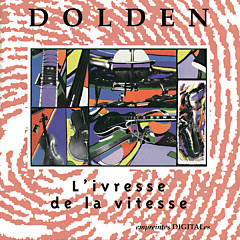
    “What is the speed of music?” says Arthur Kroker in the liner notes of L’ivresse de la vitesse (empreintes DIGITALes, IMED 9417/18) from [Ottawa-born, long time Vancouver-based; now Montréal-based] electronic, guitar, cello and violin performer Paul Dolden. “At what point does music red shift to ultrasonic velocity like all those spectral objects before it, break the sound barrier and then follow an immense curvature towards that point of incredible sound density, where music can finally move at such violent speeds that it can no longer be heard, even by mutant membranes The final pooint, that is, where music breaks beyond the speed of light, falling onto a deep and immense silence.” Yes!

    Kaleidos dans The Sun-News

    «Gravikords, Whirlies & Pyrophones», Dwight Loop, The Sun-News, no 9:3, 1 février 1997
    samedi 1 février 1997 Presse

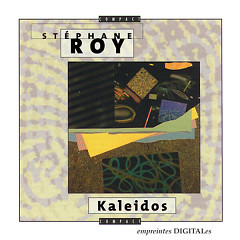
    Stéphane Roy’s Kaleidos (empreintes DIGITALes, IMED 9630) is the work by the composer whose earlier artistic life straddled fine art and literature. This is theatrical music where the tonalities are treated as different characters in the sound-play.

    … theatrical music…

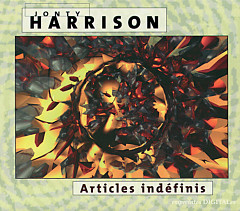
    Articles indéfinis dans The Sun-News

    «Gravikords, Whirlies & Pyrophones», Dwight Loop, The Sun-News, no 9:3, 1 février 1997
    samedi 1 février 1997 Presse

    The definition of “objet sonore” or as French composer’s definition of a ‘sound object’ was that through the process of “écoute réduite” (or ‘reduced listening’) is that one hear sound material purely as sound, divorced from any association with its physical origins-in other words, what is significant about a violin is that particular sound and not its “violin-ness.” English composer Jonty Harrison’s Articles indéfinis (empreintes DIGITALes, IMED 9627) will take you to a sound design that finds its home in many traditional experimental styles. This is unusually crafted sound for the discriminating ear.

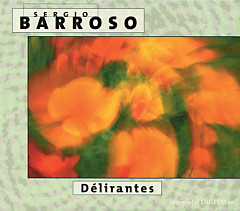
    Délirantes dans The Sun-News

    «Gravikords, Whirlies & Pyrophones», Dwight Loop, The Sun-News, no 9:3, 1 février 1997
    samedi 1 février 1997 Presse

    Havana, Cuba-born [Toronto-based] composer Sergio Barroso’s recording Délirantes (empreintes DIGITALes, IMED 9628/29) is an outstanding assemblage of electroacoustic music with the flavor of his homeland a major influence. This music proves that new technology and old world sounds do mix.

    … outstanding assemblage…

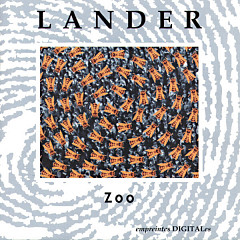
    Zoo dans The Sun-News

    «Gravikords, Whirlies & Pyrophones», Dwight Loop, The Sun-News, no 9:3, 1 février 1997
    samedi 1 février 1997 Presse

    Canadian-based DIFFUSION i MéDIA has released a batch of interesting new experimental electronic and new music releases. The label is the world’s leader in experimental electronic and electroacoustic music or in other words, altered acoustic sounds.

    Radio art has been discussed here in previous columns and Zoo (empreintes DIGITALes, IMED 9526) from Dan Lander, features one of the most interesting treatments ever heard on the cut Talking to a Loudspeaker with its “variations on broadcast quality and the snicker at our phobia with dead air.” This recording is a fascinating technical achievement as Lander also makes interesting soundscapes from disembodied voices, nature and animal sounds.

    Zoo
    … fascinating technical achievement…

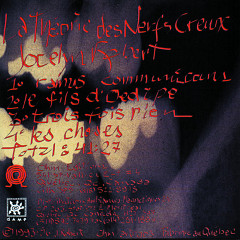
    La théorie des nerfs creux dans Exclaim!

    «Review», Richard Moule, Exclaim!, 1 janvier 1997
    mercredi 1 janvier 1997 Presse

    That Québec has always had a strong tradition in electronic and electro-acoustic music is a given; what continues to surprise is the health, depth and scope of the work being created. The Québec label OHM/AVTR seems interested in exploringsound sources and found sounds. At its core, OHM/AVTR seems to be following the esteemed traditions of people like John Cage, Pierre Schaeffer, Brion Gysin, and more recently Robin Rimbaud’s project, and Panasonic, in creating musique concrete and sound collages.

    Jocelyn Robert -La theorie des nerfs creux is no less manipulative, but its intentions are more in creating waves and frequency-based glitches, similar in style to the german duo Oval. Robert’s sounds collages appear to come more from the electro-acoustic side of musical experimentation.
  • 653
  • 654
  • 655
  • 656
  • 657
  • 658
  • 659
  • 660
  • 661